The job application became its own unpaid job.
About a 4 minute read
I wanted three plausible jobs and applications saved before submit. The clock mattered, the way it always does when you're job hunting between everything else in your life. The flow kept assigning chores anyway: profile setup, resume cleanup, duplicate tabs, questions that should have been buttons, and a Save that would not admit whether it had saved.
What I was trying to do
Find real jobs I might want, keep my pay and commute constraints intact, fill the applications, and stop right before submit. Ordinary job-board work. The kind of task where the product should carry the memory, because the user is already carrying the strange low-grade pressure of being evaluated.
Job hunting means representing yourself accurately while guessing about salary bands, commute math, title inflation, recruiter noise, and whether the posting is even real. Every minute the interface takes for itself comes out of the energy you had for the actual decision. Calm software matters most to people who have run out of calm.
Where the flow fought back
The trouble arrived as small uncertainties, stacked. Did Save do anything? Why isn't the only resume I uploaded the one selected? Why am I typing my address again, into the same company's form, in the same hour? Why did a multiple-choice question turn into a blank text box right when I was tired of typing?
- 01
Save answered with silence. I clicked it and got nothing I could trust. When the stakes are a job application, silence reads as failure.
- 02
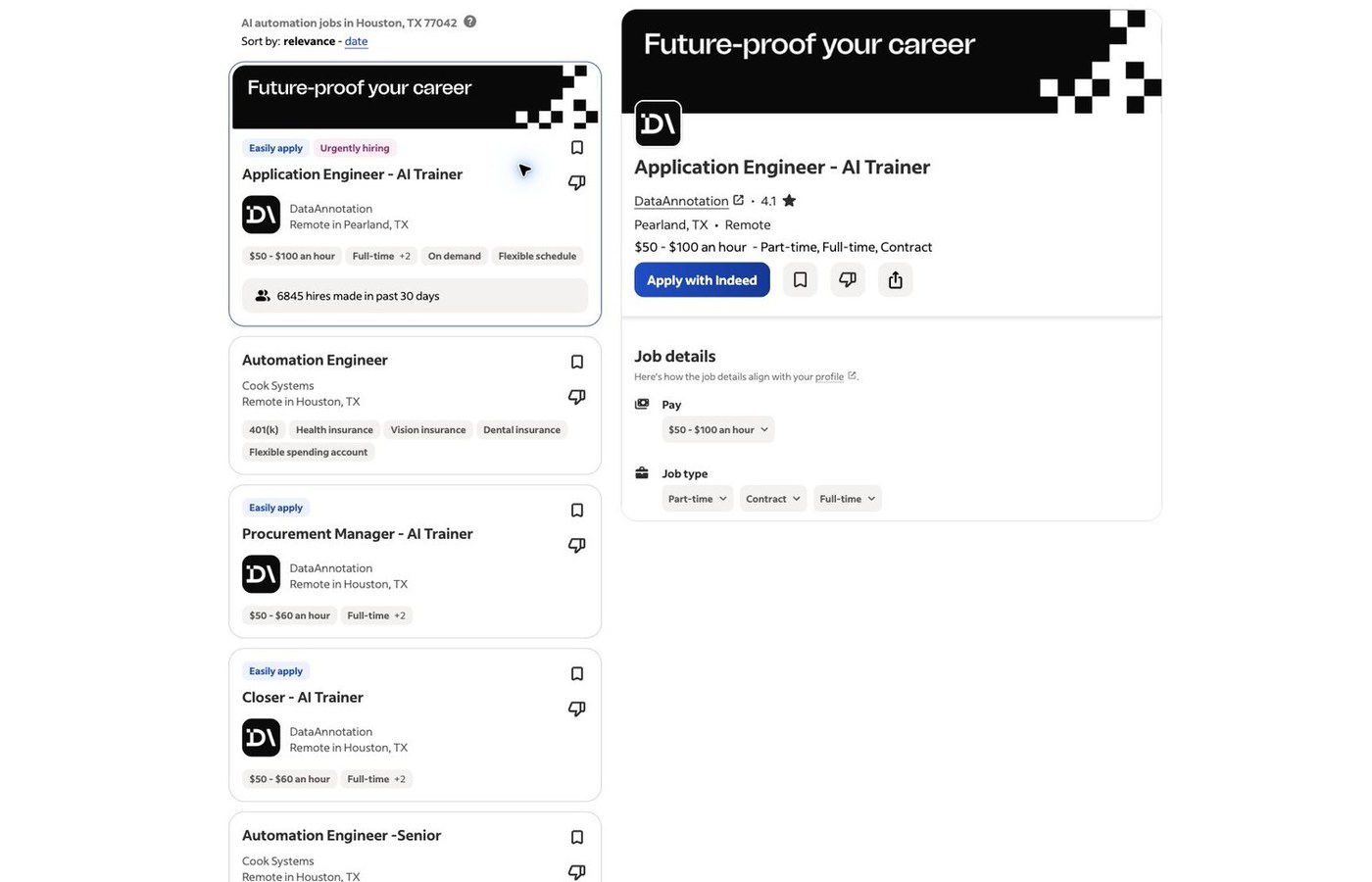
Filters promised control and leaked. Pay and commute constraints still let mismatched listings through, and every mismatch costs a read.
- 03
The resume path had a trapdoor. Starting a manual resume made uploading my real CV harder to find later, right when I needed it most.
- 04
SmartApply split me across tabs. Duplicate application windows left me guessing which version of me was current.
- 05
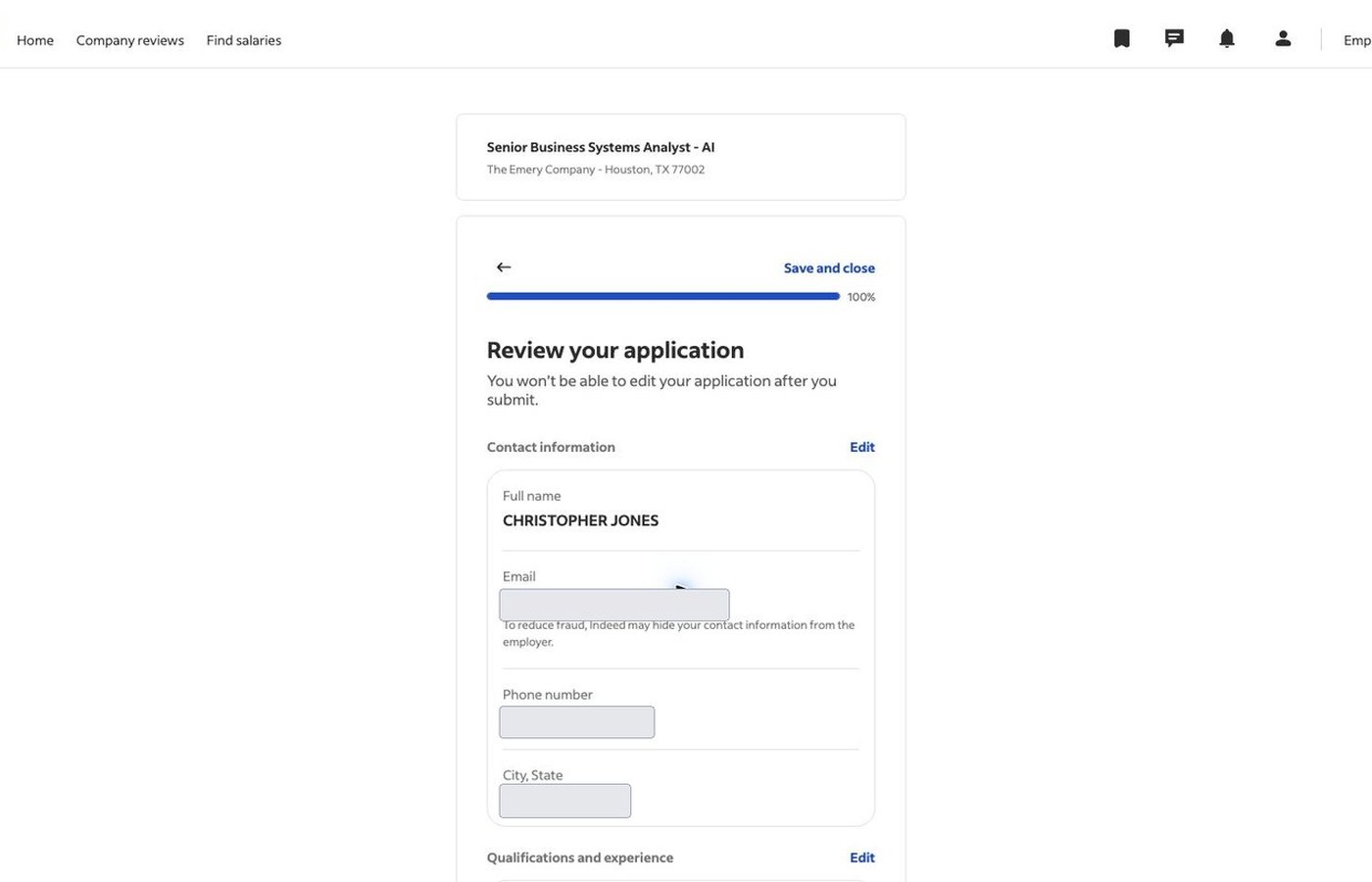
The review screen saved its questions for the end. Contact routing, opt-ins, reCAPTCHA, and consent copy arrived together, at the exact moment a tired applicant is most likely to click through anything.
Why it matters
The product kept asking me to prove I was the same person I had been for the last twenty minutes.
The site did not seem to trust its own memory, so I became its clerk: cleaning parsed data, auditing tabs, rereading consent text, all while trying not to trigger a submit I wasn't ready for. A confirmation that prevents a bad submission earns its keep. Most of this repetition prevented nothing.
The real cost is confidence. An applicant needs to know what is saved, what gets shared, which resume is attached, and what the employer will actually see. When those answers go vague, every click gets heavier. Heavy clicks are where people abandon.
What I would change first
- 01
Give Save a voice: saved, saving, failed, last saved a minute ago, and a link to wherever the draft lives.
- 02
Treat the uploaded resume as the default artifact unless the user deliberately swaps it. Never make the real CV the hidden option.
- 03
Turn repeat questions into confirmations. "Use the address on your profile?" takes two seconds and spends none of the applicant's goodwill.
- 04
Rename in-progress applications to drafts. A draft is a promise that the work is still there waiting.
- 05
Move the dense consent and opt-in material away from the submit button. The final action deserves air.
The larger pattern
Indeed's memory is patchy in the way that erodes confidence: it knows your name, then loses your address. The fix is a clearer contract with the applicant: here is what we know, here is what we still need, here is exactly what happens when you walk away mid-application. People spend their scarcest hours on this site. The product should act like it knows that.